

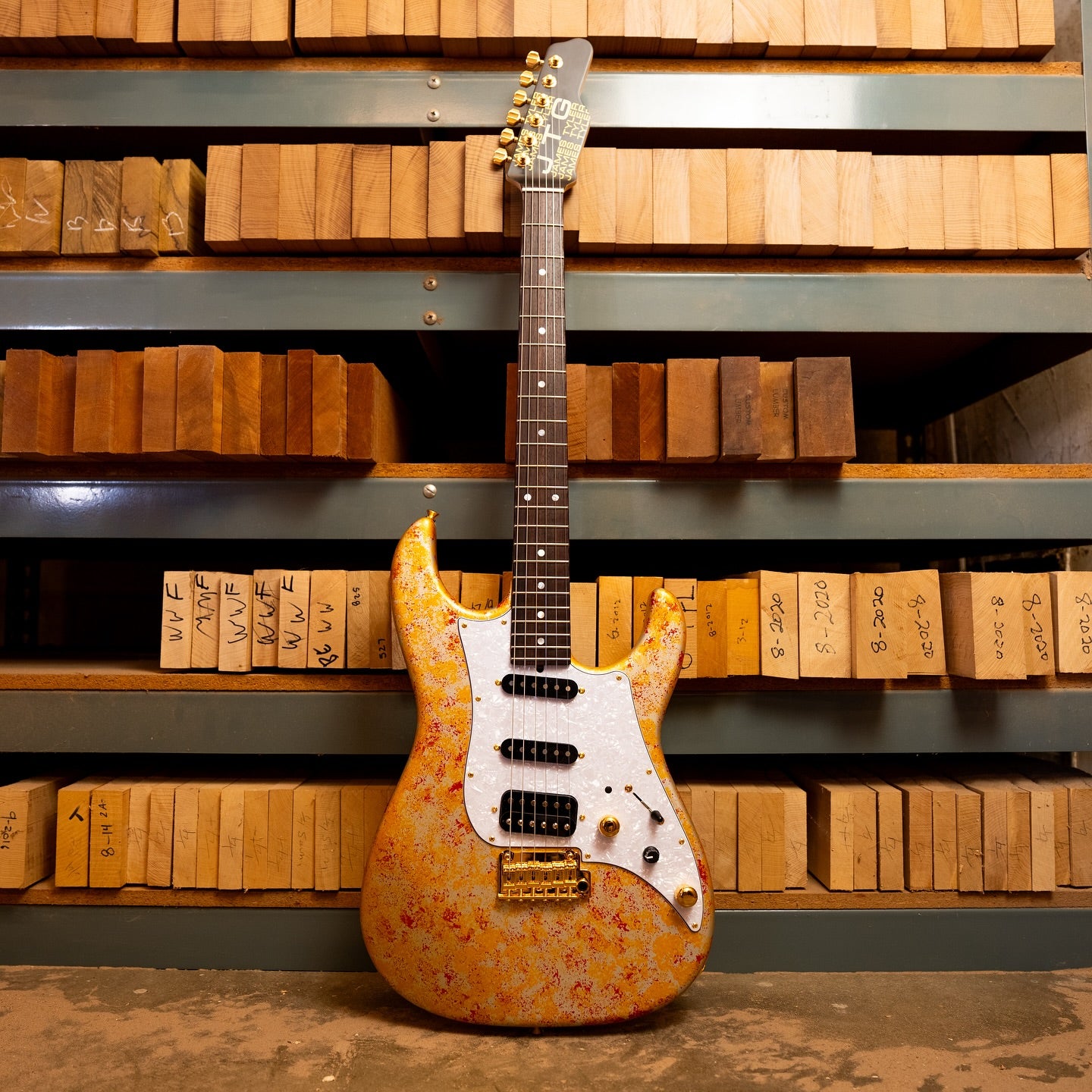


Suggested headline: James Tyler Guitars (JTG MK1) — The Boutique Tone Secret for Synth-Heavy Mixes
Watch an amazing demo by @gregkochmusic — full review on Wildwood Guitars: https://www.youtube.com/watch?v=Qza6YTZFPo4
Why James Tyler Guitars are the insider’s choice
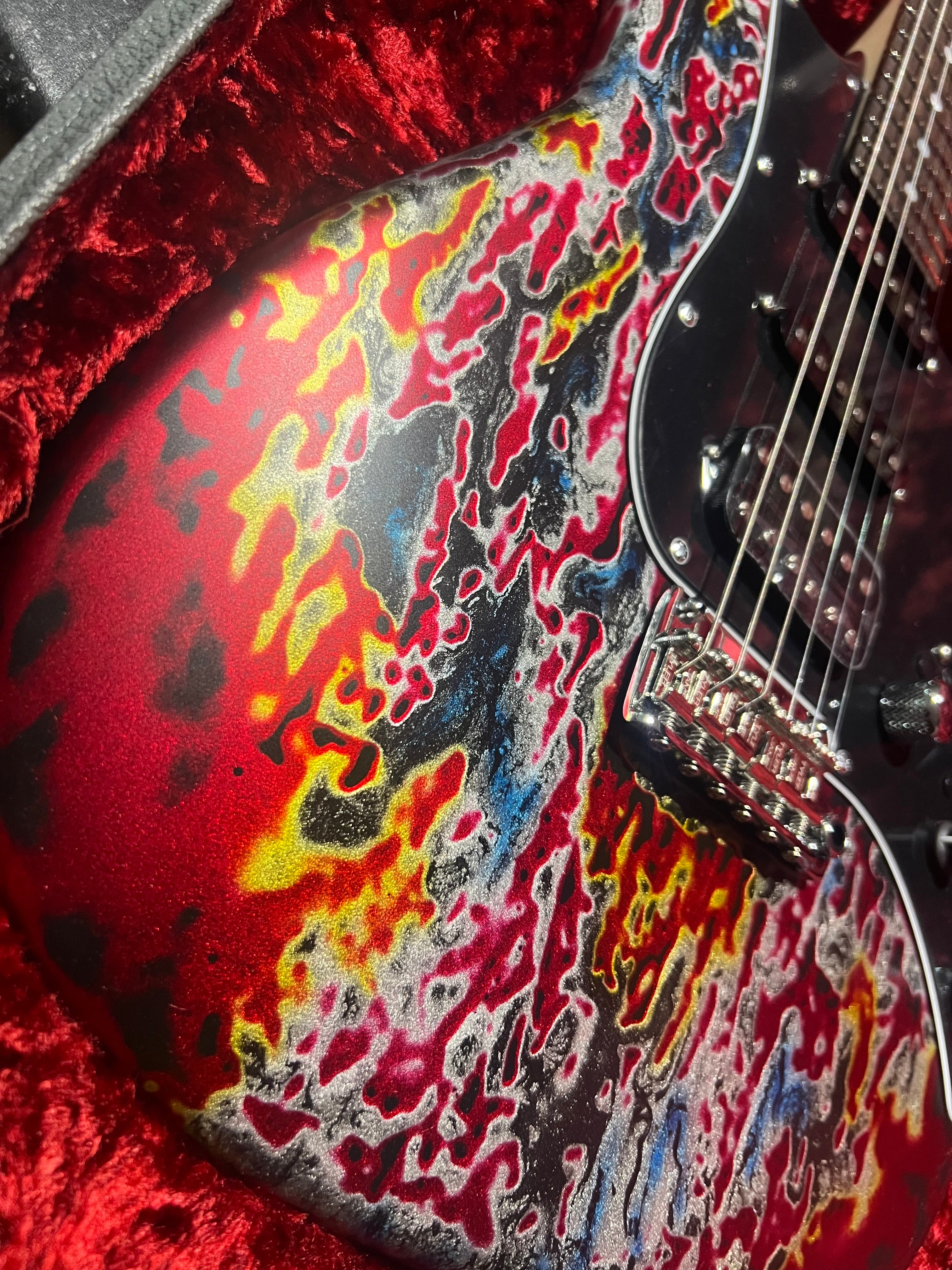
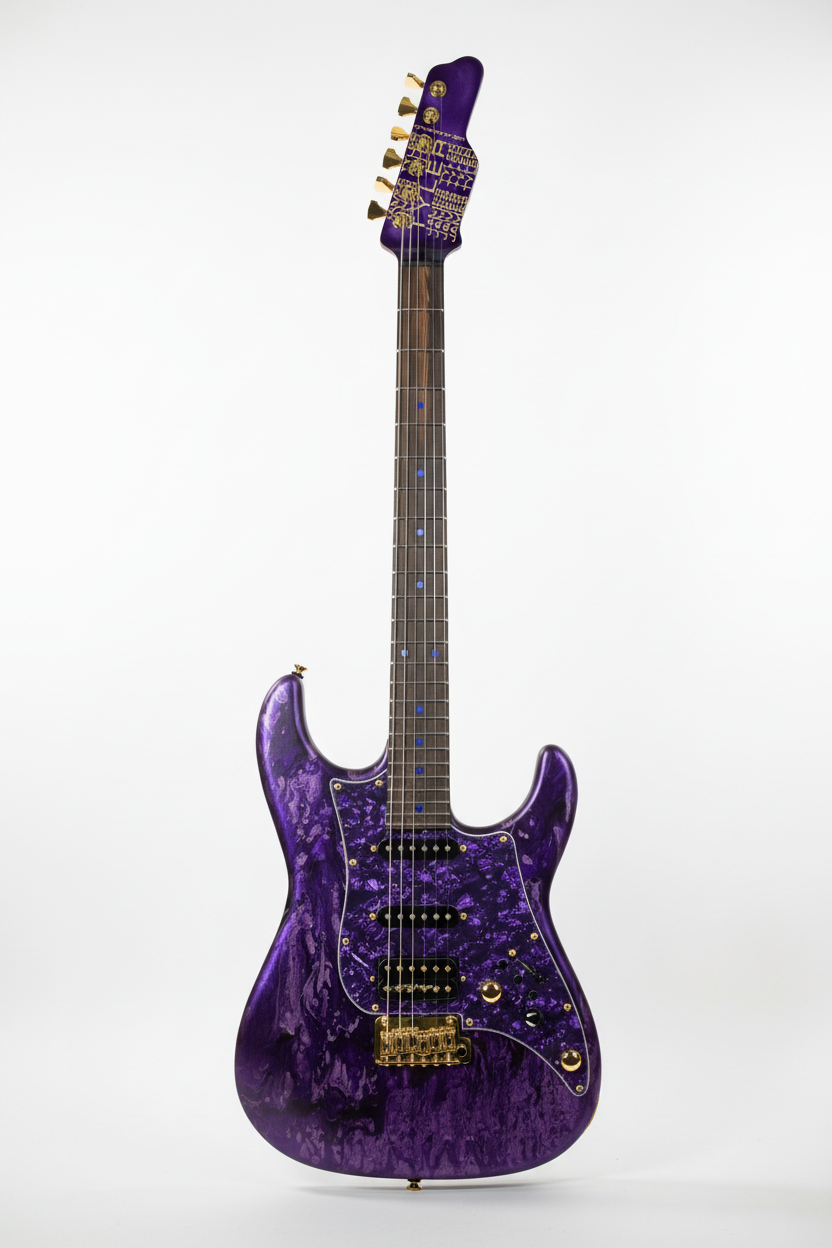
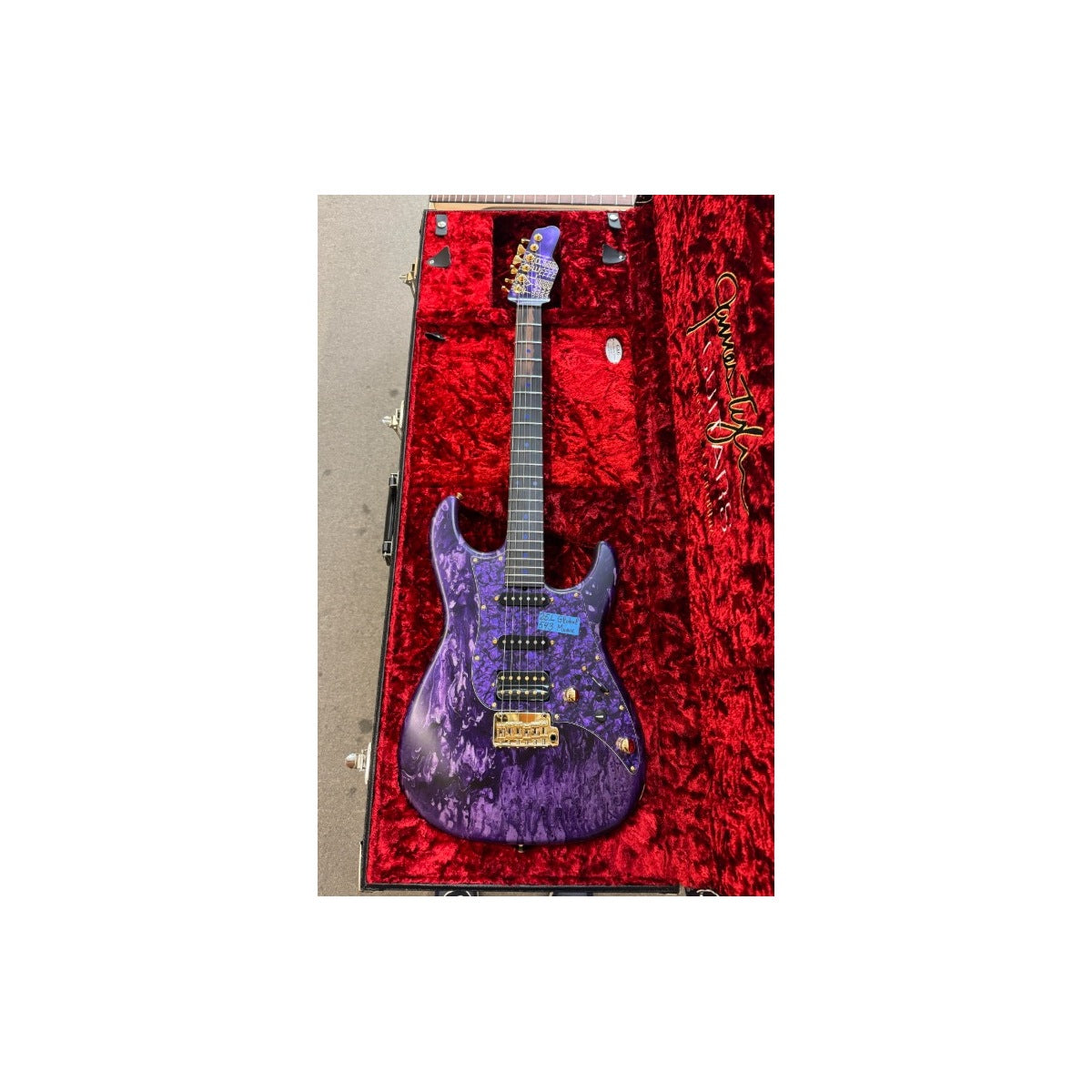
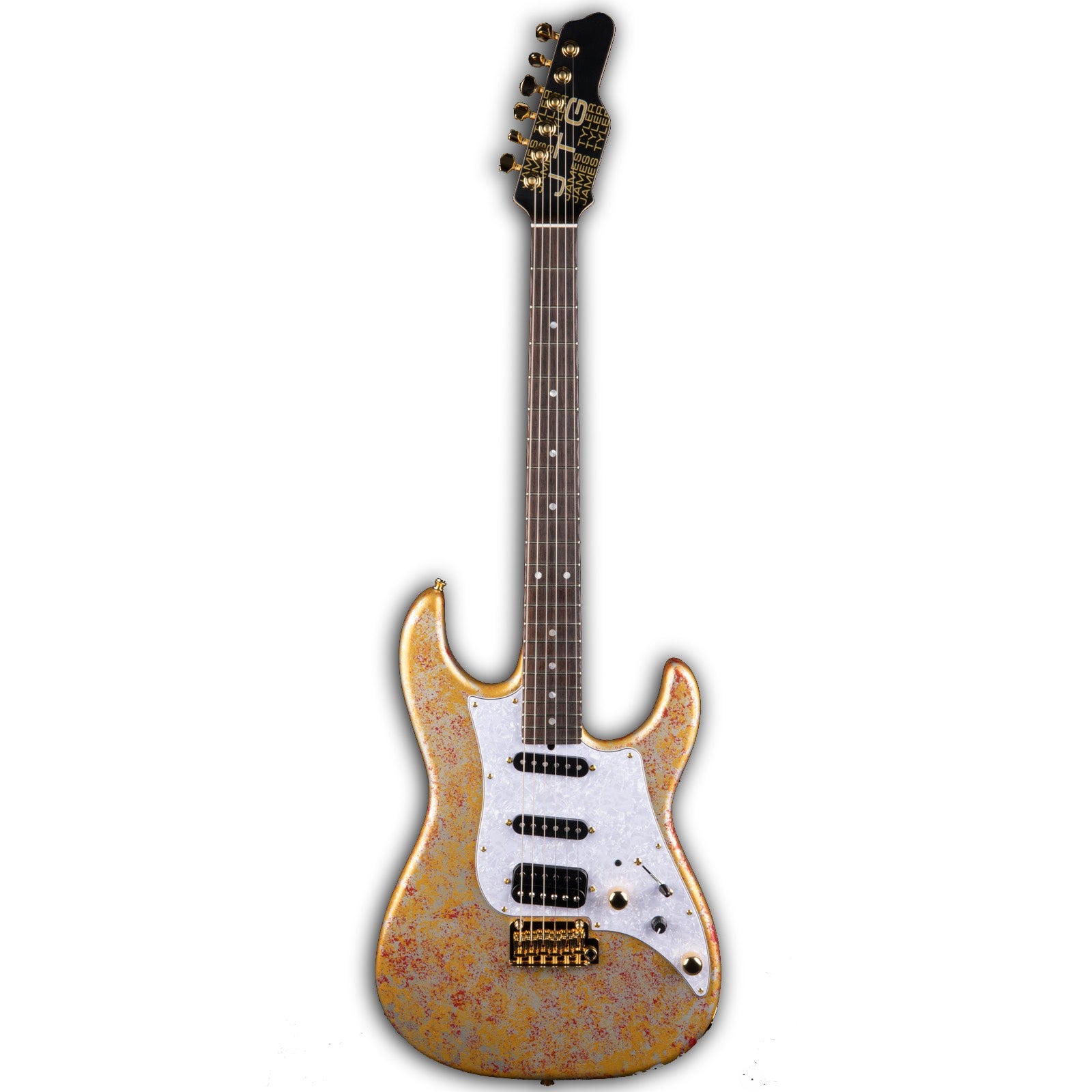
James Tyler guitars have long been an industry secret for players who demand boutique-level craftsmanship, hyper-playable necks and a tonal palette that can slice through dense, synth-driven mixes. The JTG MK1 and other models are engineered to deliver clarity and personality — the kind of sonic signature that producers and session players covet when balancing guitars with lush pads, analog synths and stacked keyboards.
What they unlock in modern production — tonal versatility and mix intelligence
Drop a James Tyler into an 80s-influenced pop track, worship set, or layered rock arrangement and you’ll immediately notice how the guitar sits: it has the chime and shimmer to complement bright synth leads, the midrange presence to cut through pads, and the dynamic responsiveness to play ambient swells or aggressive rhythm parts without fighting the mix. These instruments are perfect for players who need one guitar to do many jobs — from glittering arpeggios to thick power-chords — with minimal EQ gymnastics.
Cutting-edge trends that make JTG more relevant than ever
- Hybrid rigs and amp-modeling ecosystems: modern players use a combination of analog feel and digital processing. James Tyler guitars respond exceptionally well to amp-modelers and IRs, preserving sonic nuance while benefiting from immersive effects chains.
- Synth-pop and keyboard-forward arrangements are booming — guitars that can complement rather than compete with synths are in high demand. JTG’s tonal flexibility makes it a go-to tool for this environment.
- Workflow acceleration with direct-to-DAW recording and tonal presets: the JTG’s clarity helps engineers dial-in usable tones faster, which is crucial in high-output studio workflows and streaming sessions.
- Tonal sculpting via plugin ecosystems and MIDI integration: guitars that retain character through multi-stage processing remain invaluable as producers push for hybrid, genre-fluid productions.
How pro players use a James Tyler in a synth-heavy context
Pro players and session guitarists use JTG guitars to craft parts that complement synth textures instead of clashing with them. Common approaches include:
- Using clean or slightly driven amp channels with a touch of chorus or plate reverb to create shimmering chord beds beneath lead synth lines.
- Recording DI and amp-sim signals in parallel to blend the guitar’s organic attack with dense digital ambience.
- Carving space with targeted EQ and sidechain-friendly playing dynamics so guitars become another synth-like layer rather than a competing element.
Where savvy players buy smarter
Global Music Imports (GMI) brings James Tyler guitars direct to Australian players via a focused direct-to-consumer model. By reducing overheads and streamlining distribution, GMI helps players access boutique instruments at more competitive price points — a strategic advantage for musicians who want world-class tone without inflated retail markup.
See it in action
A must-watch demo: "Amazing demo by @gregkochmusic" — check the full review on Wildwood Guitars’ YouTube channel to hear how the instrument behaves across tones and contexts: https://www.youtube.com/watch?v=Qza6YTZFPo4