

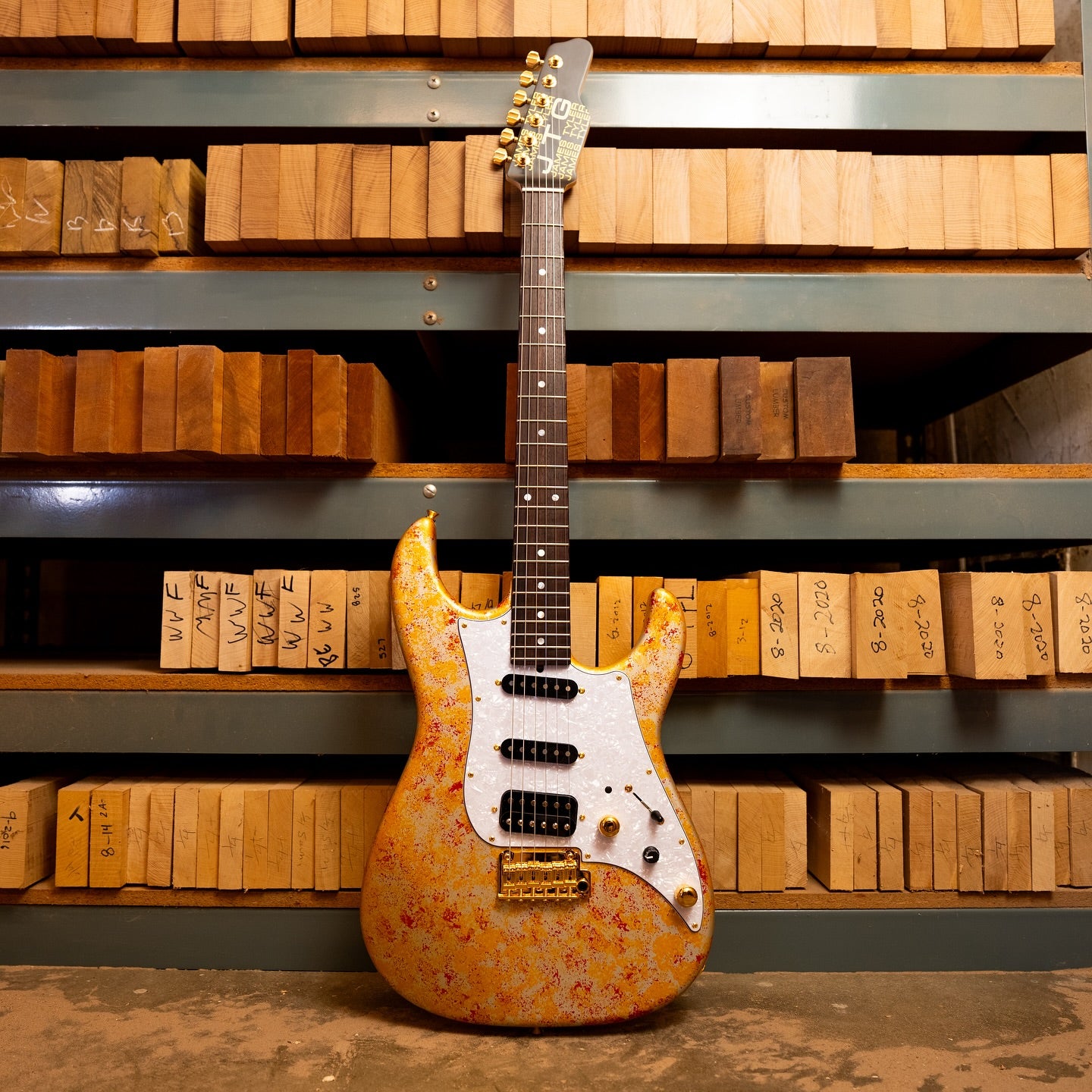


James Tyler JTG MK1 — The Boutique Guitar That Slices Through Synth-Heavy Mixes
A click-worthy choice for players chasing 80s-inspired shimmer, contemporary pop clarity, and worship-ready presence.
Why the JTG MK1 Is an Industry-Secret Weapon
Beautiful playing by @_carlosrodgz17 on his JTG MK1 🔥
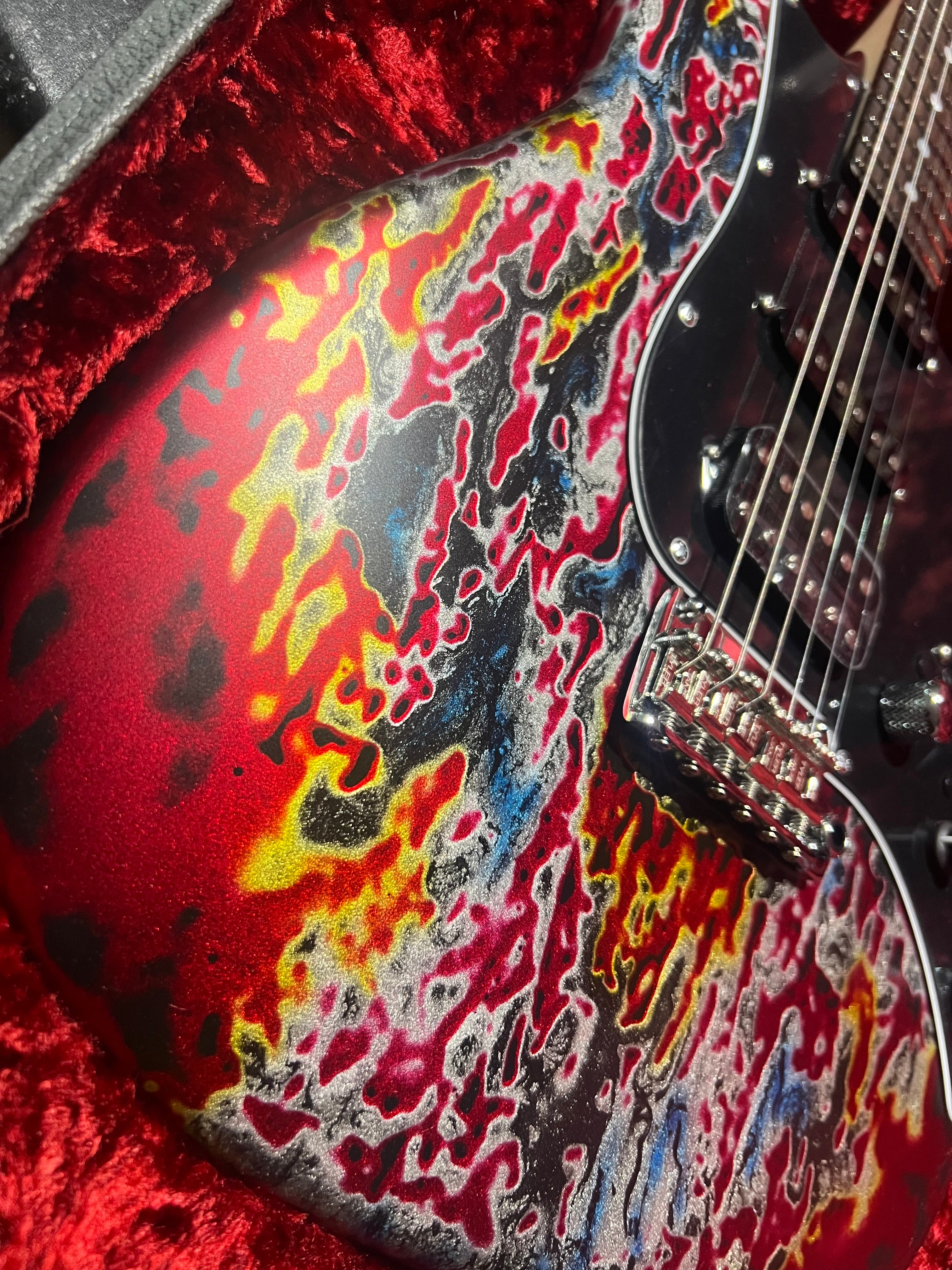
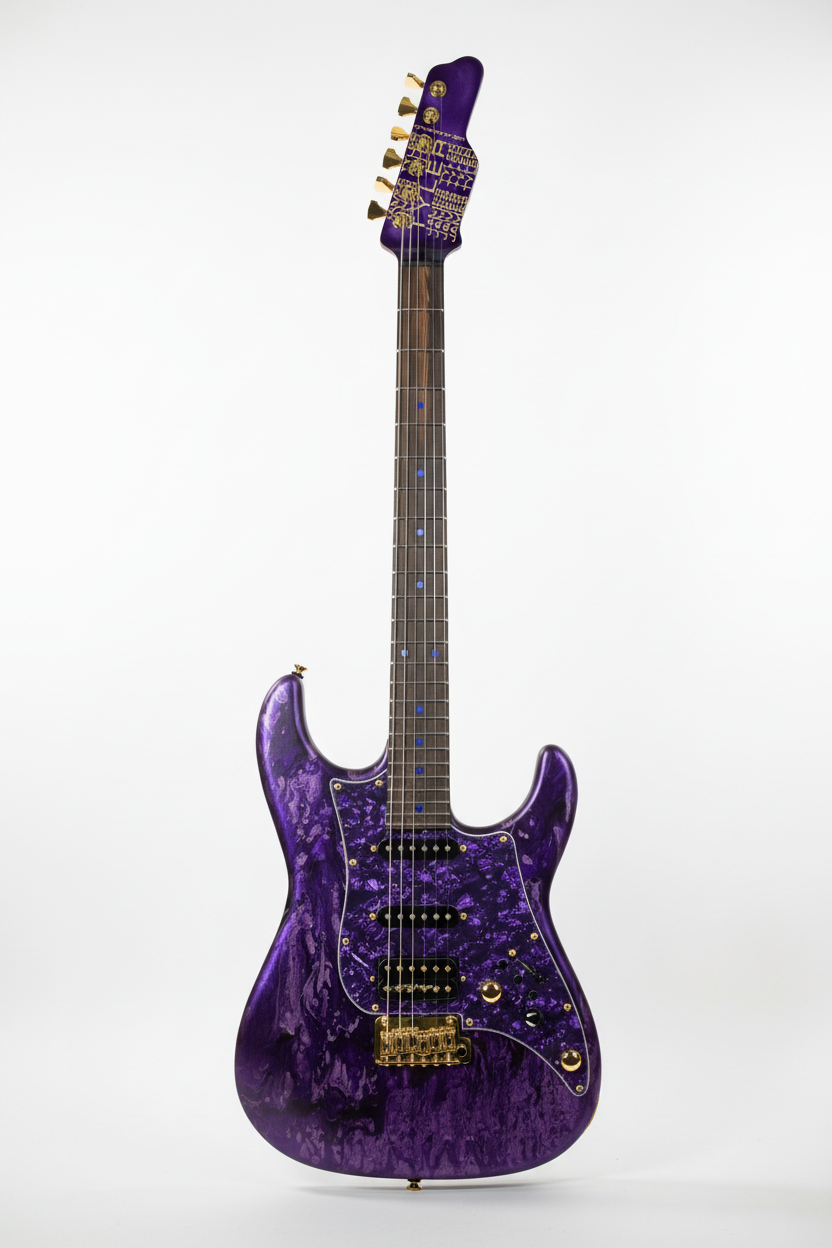
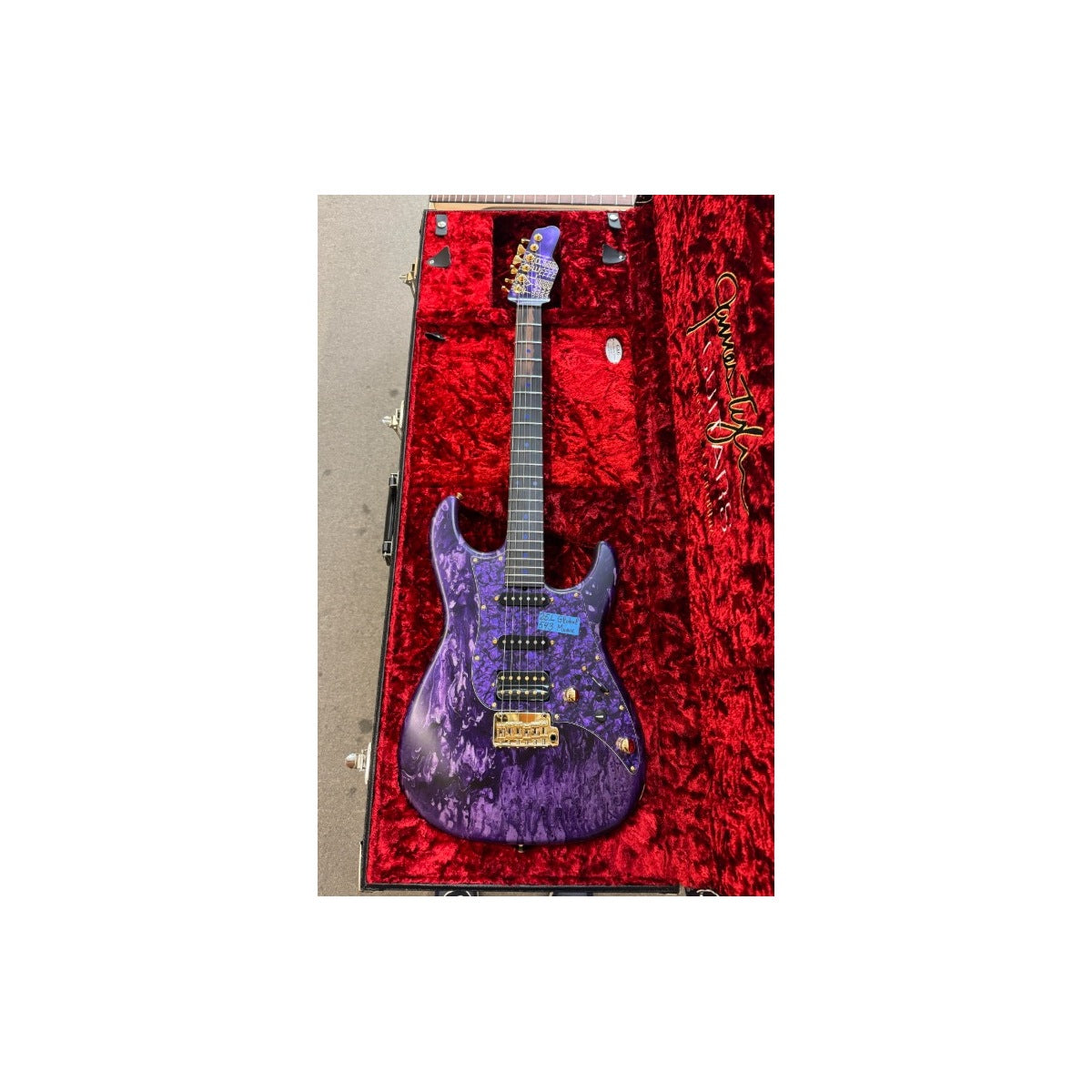
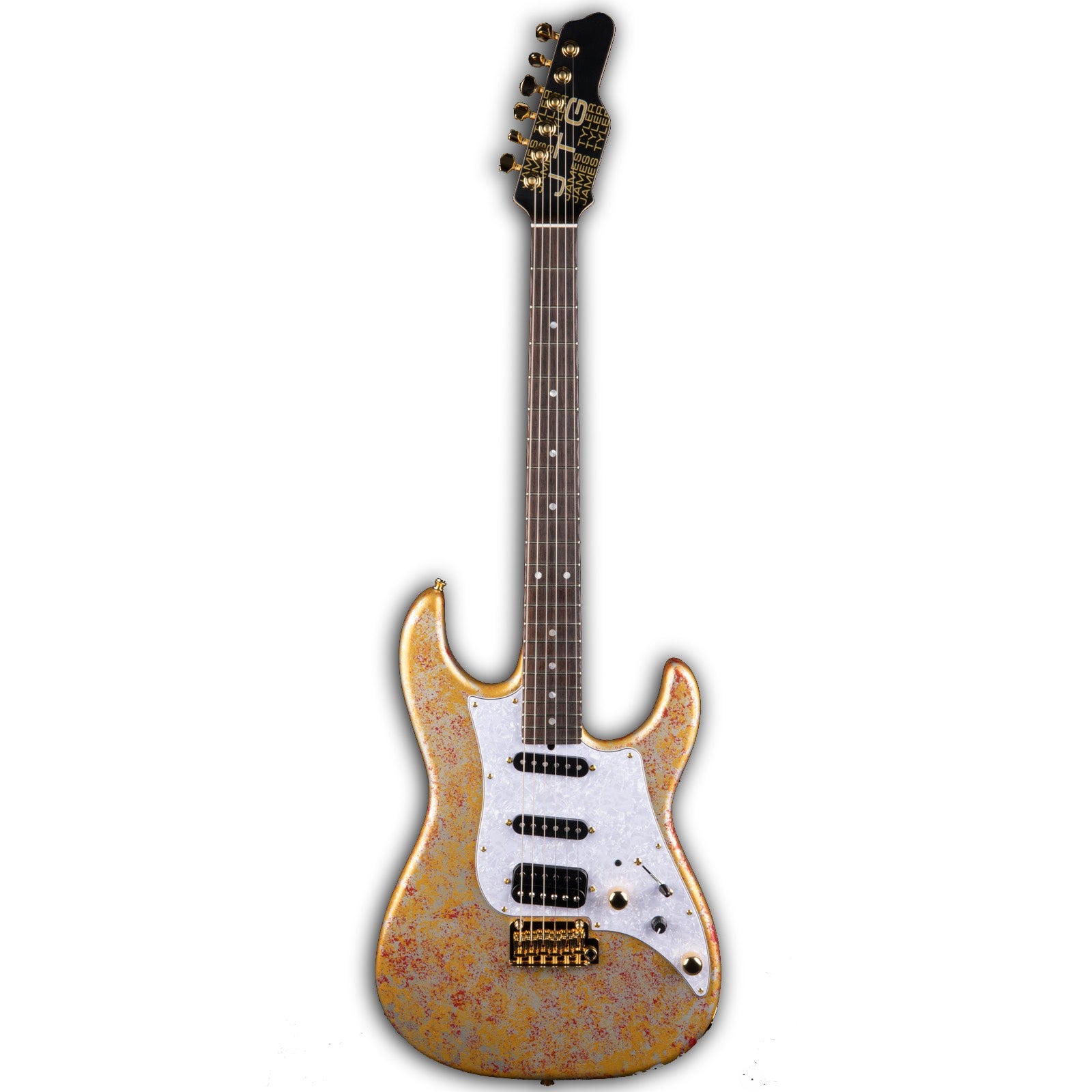
For players and producers who live in dense, synth-and-keyboard-driven arrangements, the James Tyler JTG MK1 is an underground powerhouse. It’s boutique-grade, ultra-playable, and engineered to deliver a tonal footprint that cuts without overpowering — the kind of guitar that sits perfectly inside a modern, layered mix. This is guitar design that marries vintage inspiration with futuristic tone-sculpting sensibilities.
Secrets It Unlocks — Tone, Texture, and Mix Intelligence
- Mix-forward clarity: The JTG MK1’s voicing is dialled to retain chime and attack while avoiding frequency masking — crucial when tracks are heavy on pads and synth leads.
- Sonic versatility: From pristine jangle for pop hooks to edge-of-clean breakup for worship dynamics and saturated rock textures, it’s a true vintage-modern hybrid.
- Player-first ergonomics: Boutique playability lets you execute fast lines, ambient swells, and precise chord voicings that producers crave for modern productions.
- Studio-friendly footprint: It integrates effortlessly with amp modeling, pedal-driven modulation chains, and DAW-centric workflows — perfect for hybrid rigs and next-gen production setups.
Why This Matters in Today’s Production Landscape
Production trends show a move toward textured, synth-heavy arrangements where each instrument needs a distinct, high-definition role. The JTG MK1’s tonal personality is engineered to occupy that sweet spot: present but not intrusive, bright where you need it, warm where you want body. That makes it ideal for players working in pop, 80s-inspired retro production, modern rock, and contemporary worship contexts.
As producers embrace hybrid analog/digital toolchains and AI-assisted tone workflows, boutique guitars that already possess a refined sonic signature will save time and elevate mixes instantly. The JTG MK1 acts like a secret weapon in this workflow — recognizable to those who know, and game-changing once discovered.
How to Think About the JTG MK1 in Your Rig
- Treat it as a primary texture — use subtle compression and modulation to let its chime sit between synth pads and vocal ranges.
- Pair with amp modeling for fast A/B tone-shaping — the guitar’s inherent voicing responds exceptionally well to digital EQ and dynamic sculpting.
- Use staggered reverb and slap delay to create spacious 80s/pop atmospheres while preserving note clarity for lead parts.
Where to Get the JTG MK1
Global Music Imports (GMI) brings direct-to-consumer access to boutique instruments, reducing overheads so Australian players can access sought-after guitars like the JTG MK1 with better pricing transparency. If you’re a player who values insider tone and studio-ready performance, GMI is the direct route to join the circle of those who know.