


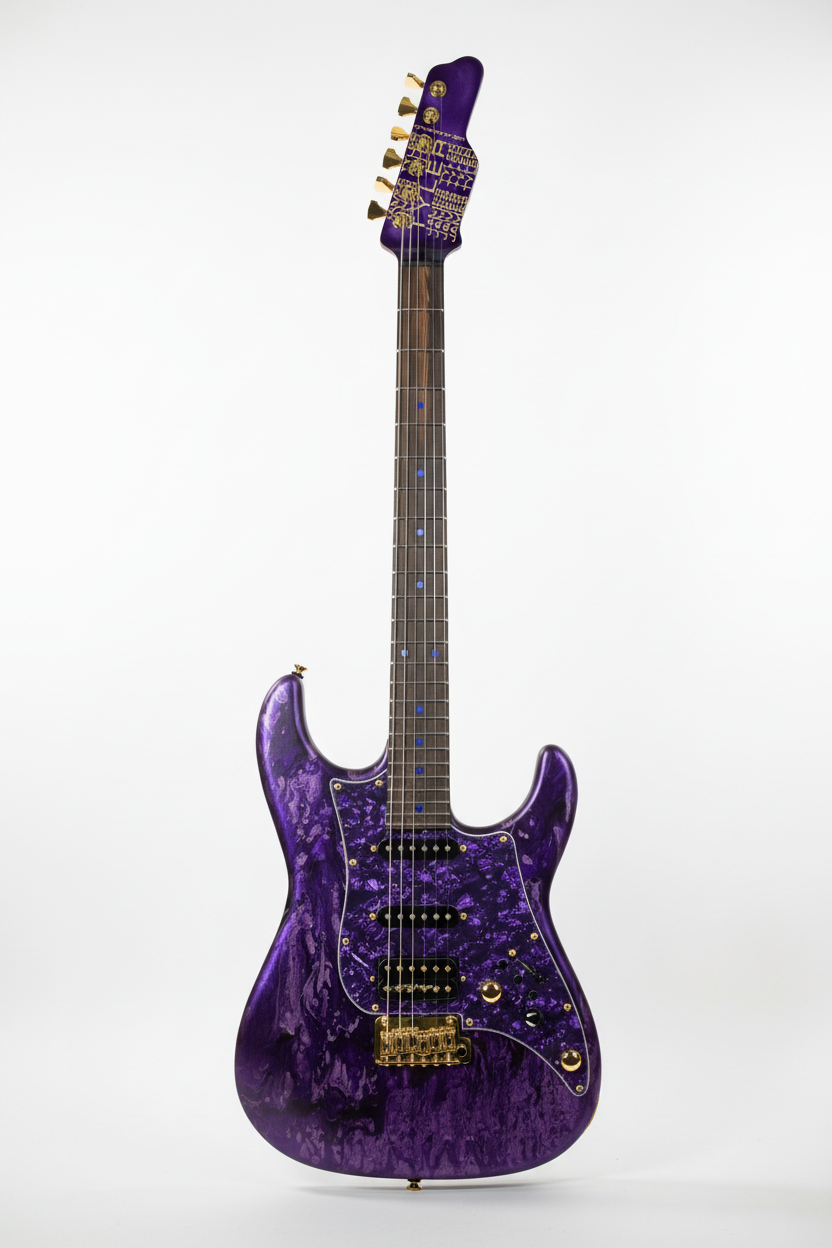
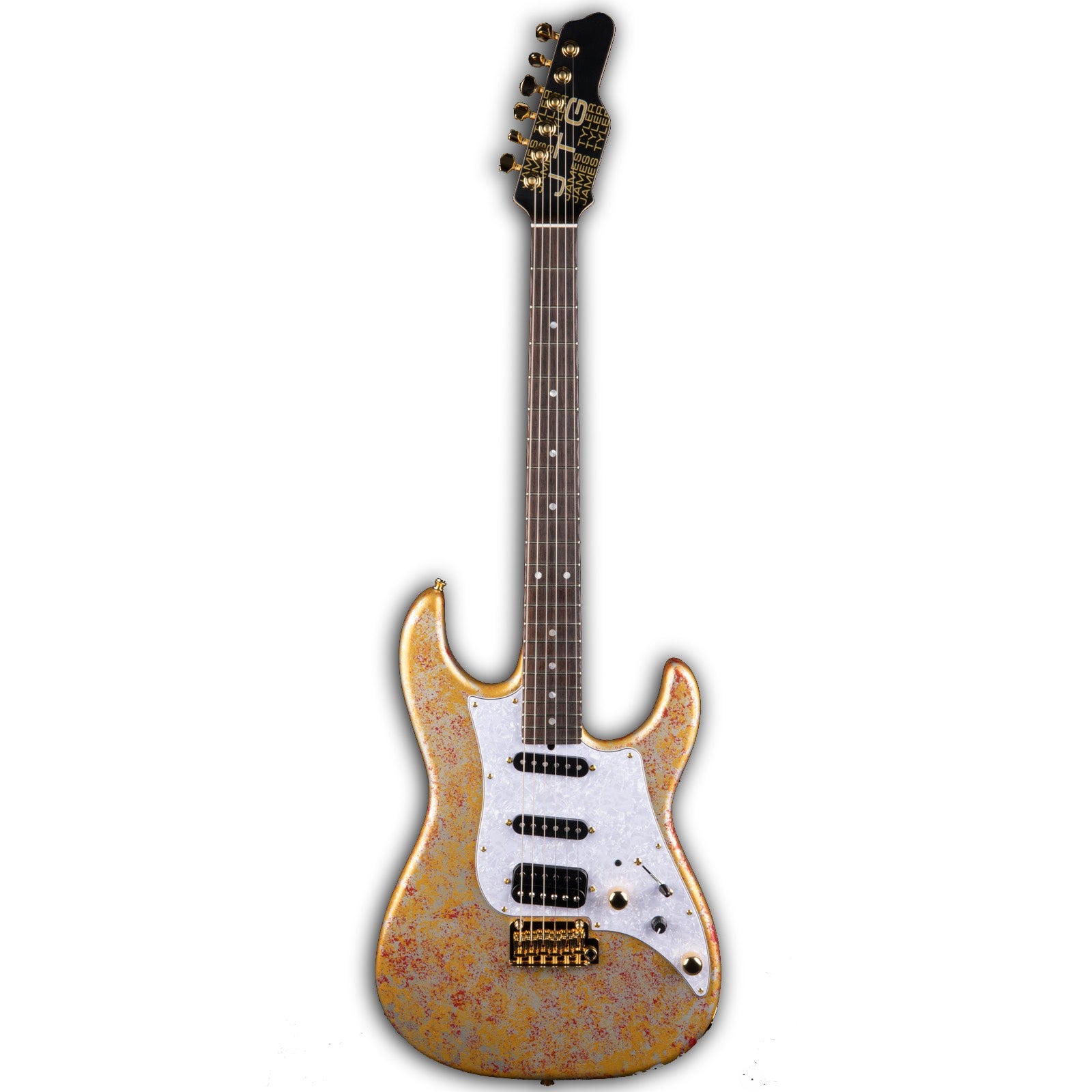
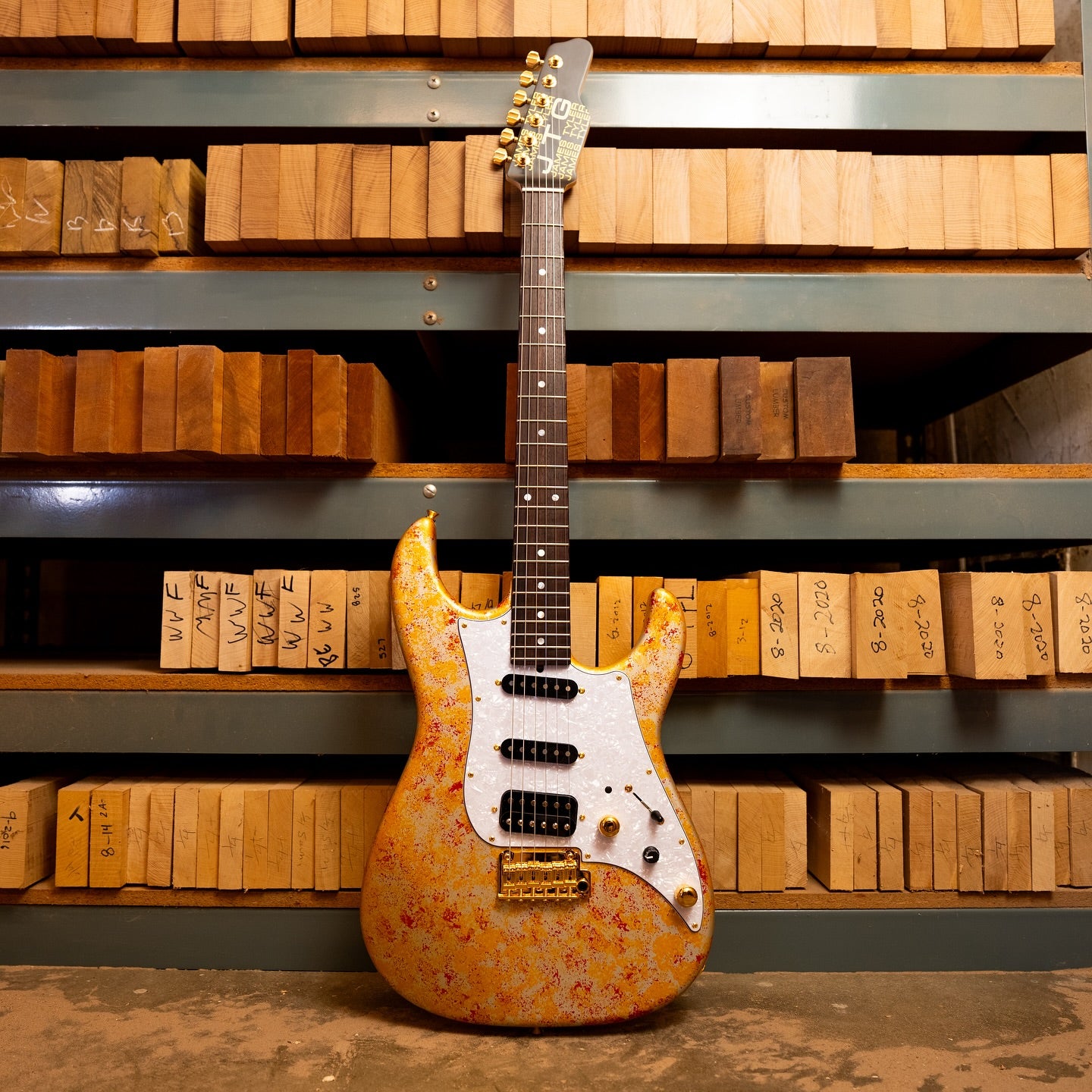


Unlock the Secret Tone of James Tyler Guitars — How One Brazilian Rosewood Log Becomes Quartersawn, Rift Sawn & Slab
Gil’s Log update: Before we make the first cut, @guitarbldr breaks down how we’re cutting it and how you get quartersawn, rift sawn, and slab sawn out of a single Brazilian rosewood log. #jamestylerguitars #eitheryouknoworyoudont
Headline suggestion (SEO-optimized)
“James Tyler Guitars: Inside the Brazilian Rosewood Log — Quartersawn, Rift Sawn & Slab Cuts That Cut Through Synth-Heavy Mixes”
Why this matters to tone-focused players
If you live for studio-ready tones, hybrid rigs, and synth-forward productions, wood selection and milling orientation are not boutique trivia — they’re the secret weapons of tonal design. James Tyler guitars have a reputation for secret-shelf quality: instruments that slide perfectly into keyboard and synth-heavy mixes, delivering clarity, harmonic richness, and a focused midrange presence that modern pop, rock, 80s-inspired productions and contemporary worship arrangements demand.
How a single Brazilian rosewood log yields three distinct sonic tools
When Gil and @guitarbldr take a log to the mill, the first cuts define the sonic personality of every future fretboard or back and side set. Here’s a clear breakdown of the three common sawing methods and what they bring to a James Tyler instrument:
- Quartersawn: Boards cut radially from the log produce tight, straight grain lines. The result is superior structural stability, reduced movement, and a focused tonal response with a fast attack and excellent sustain. In a dense, busy mix this cut delivers definition and note separation — ideal for players needing articulate rhythm work and precise note definition when layered with synth pads.
- Rift sawn: A close cousin to quartersawn, rift sawn yields a predominantly vertical grain with slightly more visual uniformity. Tonally it sits between quartersawn and slab: tight and focused, but with a touch more warmth and complexity. Rift sawn pieces are a favorite where consistent feel, tuning stability, and mix-friendly clarity matter.
- Slab sawn (flat sawn): The classic, visually dramatic cut that reveals wide growth rings and bold figure. Slab sawn woods tend to bloom with complex overtones and a lush midrange presence. For solos, layered textures, and tones that need to “sing” above a dense arrangement, slab sawn Brazilian rosewood adds harmonic richness and bloom that produce a captivating presence.
Practical tonecraft — matching cut to musical mission
Choosing between these cuts is a studio and stage decision:
- For synth-heavy pop and worship stacks where clarity and midrange cut are critical, quartersawn or rift-sawn pieces help the guitar poke through without masking or clashing with keyboard frequencies.
- For lyrical leads, boutique overtones, and recordings that require a lush harmonic palette, slab sawn rosewood brings the harmonic complexity that elevates solos and melodic lines.
Cutting-edge context: why this is trend-relevant
Contemporary luthiery blends traditional craft with modern precision: milling strategies, acoustic profiling and traceability workflows are enabling makers to extract maximum tonal variety from single logs. That means fewer trees are used more efficiently while delivering bespoke sonic options for pro players and tone obsessives. For the player who cares about sustainability, provenance and the studio-ready end result, these advances are reshaping how premium instruments are specified and built.
James Tyler — the industry secret for insiders
James Tyler instruments are often whispered about among tone nerds for a reason: meticulous wood selection, nuanced neck and pickup voicings, and a design philosophy that prioritizes how a guitar behaves inside a modern mix. These are not mass-market catchphrases — they’re practiced details that make a guitar slot perfectly next to synths, keys and dense production arrangements. If you know, you know: this is the kind of gear that elevates productions without shouting for attention.
Want the straight facts?
No hyperbole: the difference between quartersawn, rift sawn and slab sawn is real and audible to players who work in complex mixes. It’s part of why serious players and tone-focused producers turn to carefully milled tonewoods when choosing an instrument that must perform onstage and in-the-box.
Where to learn more and secure yours
Explore the James Tyler range and detailed specs at Global Music Imports. Buying direct-to-consumer through GMI reduces overheads, delivering premium craftsmanship and exclusive tone at a smarter price point for the discerning player.
#jamestylerguitars #eitheryouknoworyoudont